Health & Wellbeing, Cardiff at Home, Bristol at Home
Gut Health Testing in Bristol & Cardiff: What Randox Health Can Tell You About Your Digestion
Published on
Bloating, low energy or stubborn IBS symptoms? Randox Health clinics in Bristol and Cardiff offer gut health tests that replace guesswork with real answers. Here is what they check and how to book.
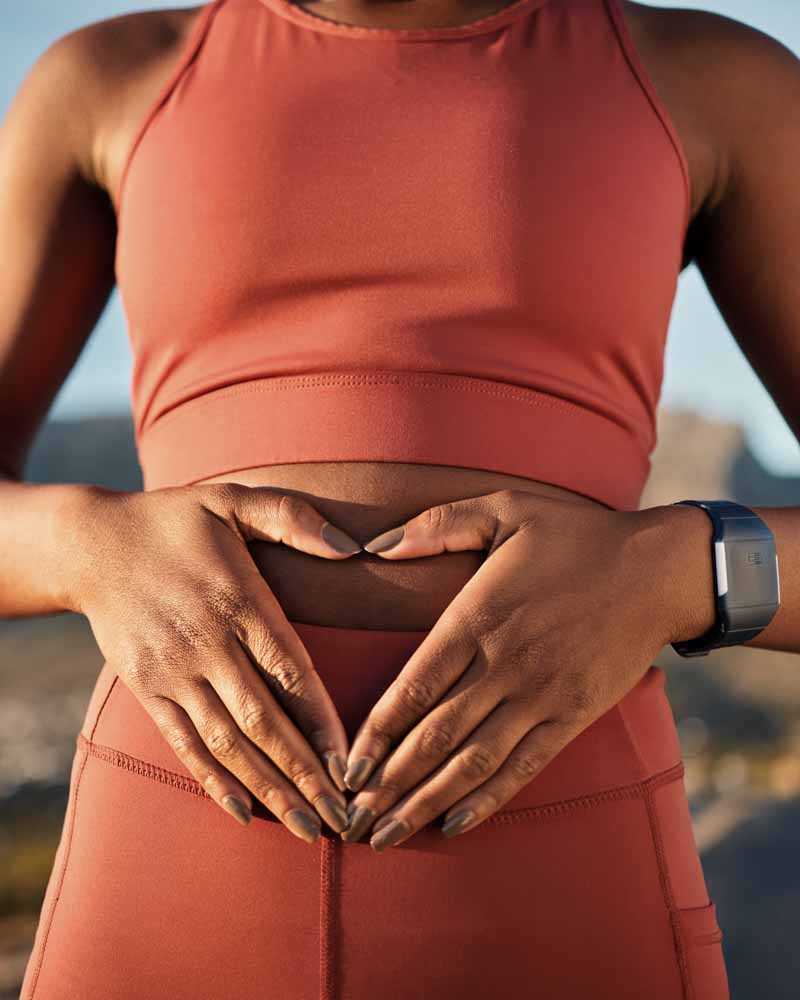
If you have been living with bloating, cramps, unpredictable digestion or that constantly-run-down feeling, you are not alone — and you do not have to keep guessing. Gut health testing has come a long way, and Randox Health now offers a range of tests right here in Bristol and Cardiff that can show you exactly what is going on inside your digestive system.
Your gut is home to trillions of bacteria that influence far more than digestion — your immunity, mood, skin, sleep and energy levels are all connected to it. That is why two people with completely different complaints, say low energy and troublesome skin, can both trace the cause back to the same digestive issue.
At a glance
- What: Gut health tests covering the microbiome, food sensitivities, coeliac disease, H. pylori and bowel health screening
- Where: Randox Health clinics inside Holland & Barrett in Bristol (Cabot Circus) and Cardiff (Queen Street), plus home test kits
- Who it suits: Anyone with persistent digestive symptoms, people told they have IBS, or anyone who wants a baseline check of their gut health
- Results: From 2–3 working days for food sensitivity tests; 4–6 weeks for the in-depth microbiome analysis
Explore gut health testing at Randox Health »
Why test your gut health?
Symptoms like bloating, gas, constipation, diarrhoea, heartburn and cramps can come from a dozen different sources. Testing narrows it down — infection, inflammation, food sensitivity or a microbiome imbalance — so you can stop guessing and start doing something about it.
It can also catch things early. Conditions like coeliac disease, H. pylori infection and inflammatory bowel disease can sit undiagnosed for years, often mistaken for IBS. Early data means earlier intervention.
Who should consider a gut health test?
You do not need to be unwell to benefit. Many people use a test as a baseline check, but it is particularly worth considering if:
- You have ongoing bloating, gas, constipation, diarrhoea, heartburn or cramps that do not settle
- You have been told you have IBS — testing can rule in or out conditions like coeliac disease or H. pylori that are frequently mistaken for it
- You have wider unexplained symptoms such as fatigue, brain fog or skin problems, which can all trace back to the gut
- You have a family history of coeliac disease, inflammatory bowel disease or bowel cancer
- You simply want to optimise your energy, immunity and long-term wellbeing from the inside out
The tests worth knowing about
Food Sensitivity Test
This measures your body’s IgG response to more than 200 foods and drinks, helping identify items that may be contributing to your symptoms. You receive personalised insights to guide smarter food choices, and results come back in around 2–3 working days. It is a popular starting point if you suspect certain foods are behind your discomfort.

Check the Food Sensitivity Test at Randox Health »
Gut Microbiome Test (home kit)
The most in-depth option: a stool sample you collect at home, analysed to reveal the balance of bacteria, archaea and viruses living in your gut — 30+ biomarkers in total. You get personalised diet recommendations based on your results. Because of the depth of sequencing involved, results take around 4–6 weeks.
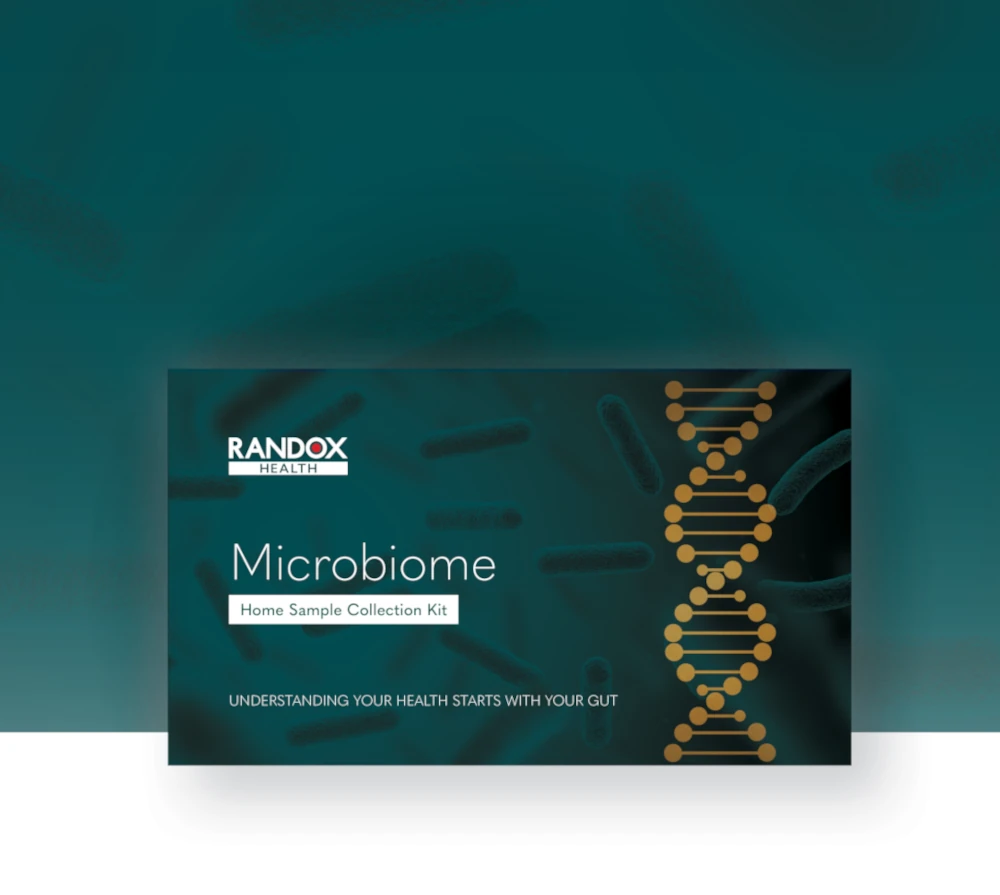
See the Gut Microbiome home test kit »
Coeliac Disease Test
Coeliac disease affects around 1 in 100 people and is often mistaken for IBS. This test screens for the HLA-DQ genetic risk marker and is ideal if you have a family history of the condition.
H. Pylori Breath Test
A simple breath test that identifies whether H. pylori — a common bacterial infection linked to gastritis, ulcers and indigestion — could be the cause of your digestive discomfort.
Bowel health screening (qFIT)
The qFIT test looks for tiny traces of blood in the stool that can be an early sign of bowel changes worth investigating further — a sensible check, particularly if you have a family history of bowel cancer.
Where to get tested in Bristol and Cardiff
Randox Health runs clinics inside Holland & Barrett stores in both city centres, so you can combine a test with your usual shopping trip:
- Bristol: Holland & Barrett, Cabot Circus, George White Street SU59, BS1 3BA
- Cardiff: Holland & Barrett, Unit 4, 53–57 Queen Street, CF10 2AS
Prefer to test from home? The Gut Microbiome Test is posted to you as a home kit with clear instructions, and you simply send your sample back.
Book a gut health test at Randox Health »
Frequently asked questions
What kind of sample do I need to give?
It depends on the test. The microbiome test uses a stool sample collected at home; the digestive health test combines a blood draw with a stool (qFIT) sample; and food sensitivity uses a small blood sample. Each kit comes with clear instructions.
Do I need to fast beforehand?
Some tests need preparation — the clinic digestive health test asks you to fast for 6 hours. The microbiome and food sensitivity tests do not require fasting. Always check your kit instructions.
How quickly will I get results?
Food sensitivity results arrive in 2–3 working days, the clinic digestive health test in around 5 working days, and the detailed microbiome analysis in 4–6 weeks.
Is a food sensitivity test the same as an allergy test?
No. A food sensitivity (IgG) test is different from allergy testing, which measures IgE and diagnoses true allergies. Sensitivity results are best used as a guide alongside professional advice, not as a standalone diagnosis.
Can testing replace a colonoscopy or specialist referral?
No. These tests are a valuable way to understand and screen your gut health, but they do not replace investigations like a colonoscopy. If your results or symptoms warrant it, your clinician or GP can arrange the right follow-up.
Disclosure: this article contains affiliate links. If you book a test through one of them, At Home Magazines may earn a small commission at no extra cost to you. It helps us keep our local guides free to read.